Category: Spelling Check

Which spelling is correct? Quick answers with examples.

  • Seperate or Separate: Which Spelling Is Correct?

    Seperate or Separate: Which Spelling Is Correct?

    Seperate or Separate: Which Spelling Is Correct?

    The seperate or separate question is one of the most common spelling traps in English, and the answer is absolute. Separate is correct; seperate is always a misspelling with no dictionary entry anywhere. The confusion comes from pronunciation: the middle vowels are unstressed schwas, so the ear hears an indistinct “uh” and the hand guesses e. This guide gives you the famous rat trick, the verb-vs-adjective difference, and a rule that fixes the whole word family at once. For another pronunciation trap, see our loose vs lose guide.

    โšก Quick answer

    Separate (with an a) is the only correct spelling, as a verb (“separate the files”), an adjective (“separate rooms”), and a noun (“fashion separates”). Seperate (with an e) is never correct in any variety of English.

    ๐Ÿง  Memory trick: There is a rat in sep-a–rat–e. Every time you spell the word, look for the little rat hiding in the middle.

    The correct spelling: separate

    Use separate for everything: the verb meaning “to divide or set apart,” the adjective meaning “not shared” or “distinct,” and the rare noun for mix-and-match clothing. The word comes from the Latin separatus, the a was there from the very start, which is why no dictionary has ever listed the e version.

    Please separate the recyclables from the trash.

    They live in separate apartments.

    The twins went their separate ways.

    We need separate budgets for each project.

    Oil and water separate when mixed.

    Each student received a separate grade.

    The report covers two separate issues.

    She separated the pages into two piles.

    Why “seperate” fools so many writers

    The trap is phonetic. In normal speech the middle of the word collapses to two lazy “uh” sounds, “sep-uh-rut”, which give no hint about the vowels. Writers hear the second “uh” and reach for e, the most common English vowel. Spell-checkers catch it, but fast typing, disabled autocorrect, and old habits let it slip through.

    โœ— Avoid: “They sat at a seperate table.” (no dictionary accepts this spelling)
    โœ“ Right: “They sat at a separate table.”

    โœ“ Right: The committee formed a separate panel.

    โœ“ Right: He separated work life from home life.

    The tricky exceptions

    The verb and the adjective sound different

    The spelling never changes, but the stress does. As a verb it has three full syllables, SEP-uh-rate (“to separate the files”). As an adjective it often shrinks to two, SEP-rut (“separate rooms”). Neither pronunciation reveals the a, which is exactly why the rat trick matters more than your ear.

    They decided to separate the two departments. (verb)

    The departments became fully separate entities. (adjective)

    The whole word family keeps the “a”

    Fix the root and the family follows: separated, separately, separation, every related form keeps the a. There is no British vs American split either; both sides of the Atlantic spell it identically. Confirm it in the dictionary at Merriam-Webster’s separate page, which traces the word to the Latin separatus, the a has been there since the 1400s.

    The files were stored separately.

    Their separation was announced on Monday.

    Separate vs seperate at a glance

    SeparateSeperate
    Correct?Yes, the only correct spellingNo, always a misspelling
    Dictionary statusFull entry (verb, adjective, noun)No entry anywhere
    MeaningTo divide; not shared; distinct(none, it means nothing)
    US vs UKIdentical on both sidesWrong on both sides
    ExampleKeep the accounts separate.โœ— Keep the accounts seperate.
    TrickFind the rat in sep-a–rat–eIf you see the middle e, change it to a

    Quick practice

    Choose the right spelling:

    1. Please __________ the laundry by color.
    2. The kids sleep in __________ rooms.
    3. Which spelling is correct: separate or seperate?
    4. They filed the documents __________.

    Answer key:

    • 1. separate (the verb “to divide”, find the rat)
    • 2. separate (the adjective “not shared”, same spelling)
    • 3. separate (“seperate” has no dictionary entry)
    • 4. separately (the whole word family keeps the a)

    Frequently Asked Questions

    Is it “separate” or “seperate”?

    Separate is correct, always. Seperate is a misspelling with no dictionary entry and no recognized meaning in any variety of English.

    Is “seperate” ever correct in British English?

    No. There is no US/UK split here: both American and British dictionaries list only separate, and both regions make the same mistake for the same phonetic reason.

    Why do so many people spell it “seperate”?

    Because of the unstressed middle vowels. Both sound like a lazy “uh” in speech, so the ear cannot tell writers whether to use a or e, and most guess e. Sound-alike traps like this are everywhere; see our loose vs lose guide for another.

    How do you remember the spelling?

    Picture the rat in sep-a–rat–e. The silly image sticks: once you see the rat, you can never unsee it, and the middle vowel is locked in as a.

    Is “separate” a verb or an adjective?

    Both, and rarely a noun. As a verb it means “to divide” (“separate the files”); as an adjective it means “not shared” (“separate rooms”); as a noun it appears in fashion (“silk separates”). The spelling is identical in all three roles.

    What about “separately” and “separation”?

    They follow the root: separated, separately, and separation all keep the a. Learn the base word once and the whole family is fixed.

    Final thoughts

    The seperate or separate question has no gray area: separate is correct and seperate is always wrong. Listen for the trap, the unstressed middle vowels that fool the ear, and picture the rat hiding in sep-a-rat-e. Fix this one and the next sound-alike trap gets easier, try our loose vs lose guide, or test yourself on the spelling quiz and the free grammar checker.
  • Nevermind or Never Mind: Which Spelling Is Correct?

    Nevermind or Never Mind: Which Spelling Is Correct?

    Nevermind or Never Mind: Which Spelling Is Correct?

    The nevermind or never mind question is the one-word-or-two puzzle behind countless texts, emails, and captions. The standard spelling is two words: never mind, “disregard it” or “don’t worry about it.” The closed form nevermind exists too, but as an informal variant and as a dialectal noun meaning “concern” or “attention.” This guide shows you which form to use, the three jobs “never mind” does, and why the Nirvana album does not set the rule. For another one-word-or-two puzzle, see our photo shoot vs photoshoot guide.

    โšก Quick answer

    Never mind (two words) is the standard spelling for the phrase meaning “disregard it.” Nevermind (one word) is an informal variant of that phrase, and a legitimate dialectal noun meaning “concern or attention” (“pay him no nevermind”). In school, work, and published writing, keep the space.

    ๐Ÿง  Memory trick: Never mind is a little sentence, never (you) mind (it), and little sentences keep their spaces. One-word compounds are usually nouns or adjectives, not commands.

    The standard spelling: “never mind”

    Use never mind as two words whenever you tell someone to disregard something, stop worrying, or let a question drop. Merriam-Webster’s entry lists it as the headword with three related senses, all spelled open. It is the form every dictionary, style guide, and exam expects.

    Never mind the mess, I will clean it later.

    Do you know where my keys are? Oh, never mind, here they are.

    Never mind your mistake; it was not serious.

    I can barely walk, never mind run.

    Never mind the rain; the game is still on.

    She apologized, but he said never mind about it.

    Never mind the cost, buy the better one.

    It is a small scratch, never mind.

    The one-word form: “nevermind”

    The closed spelling nevermind has two real lives. As a noun it is dialectal, meaning “interest, concern, or attention”, “That’s no nevermind of yours.” As a proper noun it is the title of Nirvana’s 1991 album. As a spelling of the everyday imperative, dictionaries note increasing informal use, but editors still mark it nonstandard. Titles and dialects do not set spelling rules for everyone else.

    โœ— Avoid: “Nevermind, I found my phone.” in formal writing (editors expect the two-word form)
    โœ“ Right: “Never mind, I found my phone.”

    Don’t pay him no nevermind; he is just teasing. (dialectal noun)

    Nirvana’s Nevermind became a landmark album. (proper noun)

    The tricky exceptions

    “Never mind” has three jobs

    Merriam-Webster lists three senses of the phrase. It tells someone not to worry (“Never mind your mistake”), it drops a question or request (“Oh, never mind, here they are”), and it marks something as even less likely than what came before (“I can barely walk, never mind run”). All three are spelled as two words, the meaning changes, the spelling does not.

    With this knee I can hardly walk, never mind run.

    Never mind about the delay, we still have time.

    Texts and chats are changing the spelling

    In texts and social media, “nevermind” as one word is everywhere, dictionaries note growing evidence of the closed form, and you will also meet the abbreviations “nvm” and “nm.” For now it remains informal; in school, work, or anything published, use two words. Verify the standard form yourself at Merriam-Webster’s never mind page, where the headword is spelled open and the closed form is treated as the noun.

    Never mind the group chat, I will call you tonight.

    She typed “nvm” and closed the app.

    Never mind vs nevermind at a glance

    Never mindNevermind
    Correct?Yes, the standard spellingInformal variant; dialectal noun
    SpellingTwo words (open)One word (closed)
    UseImperative: “disregard it”Noun: “concern, attention”; album title
    Formal writingAlways use thisAvoid
    ExampleNever mind the delay.Pay him no nevermind. (dialect)
    TrickA little sentence keeps its spaceOne word = one thing (a noun)

    Quick practice

    Choose the right form:

    1. __________ the spilled milk, it is fine.
    2. “Pay him no __________” she said.
    3. Which 1991 Nirvana album is spelled as one word?
    4. In a job application, write “__________ about the typo.”

    Answer key:

    • 1. Never mind (the standard imperative = two words)
    • 2. nevermind (the dialectal noun meaning “concern” = one word)
    • 3. Nevermind (a proper noun, titles choose their own spelling)
    • 4. Never mind (formal writing always uses the open form)

    Frequently Asked Questions

    Is it “nevermind” or “never mind”?

    Never mind (two words) is the standard spelling. Nevermind as one word is an informal variant of the phrase and a legitimate dialectal noun, but the two-word form is the safe default everywhere.

    Is “nevermind” wrong?

    Not always. As a noun meaning “concern or attention” it is real dialect (“pay him no nevermind”), and the album title is fixed. As a spelling of the everyday phrase, it is informal, fine in a text, wrong in an essay. One-word-or-two puzzles follow the same logic elsewhere; see our photo shoot vs photoshoot guide.

    Why is Nirvana’s album spelled “Nevermind”?

    Because it is a proper noun. Titles, brand names, and band names choose their own spelling and do not set rules for ordinary writing, just as the album title does not make “nevermind” correct in a school essay.

    Can I write “nevermind” in a text message?

    Yes. In texts, chats, and social media the closed form is widely understood and increasingly common. Keep the two-word form for email at work, applications, and anything published.

    What does “never mind” actually mean?

    It means “disregard it” or “don’t worry about it.” Dictionaries trace it to never + mind (verb, “pay attention to”), used in negative imperatives since the 1600s, “never mind that” literally meant “don’t attend to that.”

    Is “nvm” correct?

    Only as texting shorthand. “Nvm” and “nm” are abbreviations for casual chat, never for formal writing, spell out “never mind” whenever the setting is serious.

    Final thoughts

    The nevermind or never mind question ends with a space: never mind is the standard spelling, while nevermind is an informal variant and a dialectal noun. Keep the two words for school, work, and published writing, and save the closed form for texts and titles. Master this pair and the next one-word-or-two puzzle gets easier, try our photo shoot vs photoshoot guide, or test yourself on the spelling quiz and the free grammar checker.
  • Natzi or Nazi: Which Spelling Is Correct?

    Natzi or Nazi: Which Spelling Is Correct?

    Natzi or Nazi: Which Spelling Is Correct?

    The natzi or nazi question is purely a spelling question: one of these forms is in every dictionary, and the other appears in none. There is no debate about meaning here, only about letters. This guide gives you the correct spelling, its pronunciation, where the word comes from, and why the wrong version keeps appearing. For another name spelling that trips people up, see our Chris’s or Chris’ guide.

    โšก Quick answer

    Nazi is the correct spelling. Natzi is a misspelling, it appears in no dictionary. The word is pronounced NAHT-see, and the z is never doubled.

    ๐Ÿง  Memory trick: Nazi comes from the German Nationalsozialist via its shortened form Nati (NAH-tee). The dictionary spelling keeps the single z from the middle of Nationalsozialist, no t before it, no double z.

    The correct spelling: nazi

    Use nazi (capitalized as Nazi when it names the historical term) whenever you write the word. It is a noun, and dictionaries also list the lowercase form for the extended sense of a harshly domineering person, as in the informal “grammar nazi.” The plural is Nazis, formed with a plain s, never -es, and never a doubled z.

    The dictionary spells it Nazi, never natzi.

    The word Nazi entered English dictionaries in the 1930s.

    History textbooks use the spelling Nazi throughout.

    She looked up the pronunciation of Nazi in the dictionary.

    The entry lists “grammar nazi” as an informal example.

    The term comes from the German word Nationalsozialist.

    He spelled Nazi correctly in his history essay.

    The plural form is Nazis, with a single s.

    Why “natzi” is always wrong

    The spelling natzi has no entry in any dictionary and no historical source. It usually comes from hearing the word and guessing at its letters, inserting a t before the z to match the hard tz sound. English does have real words with tz, like pretzel and waltz, which makes the guess feel natural. But this word’s letters come from its German root, and spellcheckers flag natzi every time.

    โœ— Wrong: “The dictionary entry is under natzi.” (no such entry exists)
    โœ“ Right: “The dictionary entry is under nazi.”
    โœ— Wrong: “He wrote natzis in the plural.”
    โœ“ Right: “He wrote nazis in the plural.”

    โœ— Wrong: The essay spelled it natzi twice.

    โœ“ Right: The essay spelled it Nazi twice.

    The tricky exceptions

    Capital N or lowercase n?

    Dictionaries list the word both ways, for different jobs. The historical term takes a capital N: Nazi. The extended, informal sense, a person seen as harshly domineering, as in “grammar nazi”, is often written lowercase: nazi. The spelling of the letters never changes; only the capitalization does, depending on which sense you mean.

    The museum exhibit described the Nazi party’s symbols.

    He jokingly called his friend a grammar nazi.

    Don’t let the sound fool you

    The tz sound at the start of NAHT-see is what tempts writers to add a t. Remember that English pronunciation and spelling often disagree, the same trap that turns lose into loose. Here, the single z is the whole story. If you want dictionary proof, check Merriam-Webster’s entry for Nazi, which traces the word to German Nationalsozialist.

    Pretzel has a tz, but Nazi never does.

    The single z comes from the middle of Nationalsozialist.

    Natzi vs nazi at a glance

    NaziNatzi
    Correct?Yes, the only correct spellingNo, a misspelling
    Dictionary statusFull entry, in use since the 1930sNot listed anywhere
    PronunciationNAHT-seeSame sound, the spelling is the problem
    CapitalizationCapital N for the historical term; lowercase for the informal senseNever correct in any case
    ExampleThe entry is under Nazi.The entry is under natzi. โœ—
    TrickFrom Nati, no t before the z, no double zIf you see tz, it is wrong

    Quick practice

    Fill in the blank with the correct spelling:

    1. The dictionary lists the word under __________.
    2. __________ is always a misspelling and appears in no dictionary.
    3. The plural form is __________, with a single s.
    4. The word is pronounced __________, with a single z sound.

    Answer key:

    • 1. Nazi (the only dictionary-recognized spelling)
    • 2. Natzi (a misspelling born from the tz sound)
    • 3. Nazis (plain s plural, the z never doubles)
    • 4. NAHT-see (the t in natzi is a spelling error)

    Frequently Asked Questions

    Is it “natzi” or “nazi”?

    Always “nazi”. The spelling natzi is a misspelling that no dictionary recognizes.

    How do you pronounce “nazi”?

    Say NAHT-see. The pronunciation includes a tz-like sound at the start, which is exactly why writers are tempted to insert a t, resist the urge.

    Where does the word “nazi” come from?

    It comes from German, formed by shortening and altering Nationalsozialist. The single z is taken from the middle of that German word, which is why the English spelling has one z and no t.

    Should “nazi” be capitalized?

    Capitalize it as Nazi for the historical term. Dictionaries allow a lowercase nazi for the informal extended sense of a harshly domineering person. Either way, the letter sequence never changes.

    What is the plural of “nazi”?

    The plural is Nazis, made with a plain s. The z never doubles, so nazzis and natzis are both wrong. Plural rules with a z ending follow the same plain-s pattern as wives and other tricky plurals.

    Why do people spell it “natzi”?

    They spell by ear: the word starts with a tz-like sound, and English has real words with tz such as pretzel and waltz. But this word’s spelling follows its German root, not its sound, so the extra t is always an error.

    Final thoughts

    The natzi or nazi question has exactly one right answer: nazi, with its single z and no t. Trace the letters back to the German root and the spelling makes sense forever. Master this pair and the next sound-based trap falls just as fast, compare it with our wifes vs wives guide, or test yourself on the spelling quiz and the free grammar checker.
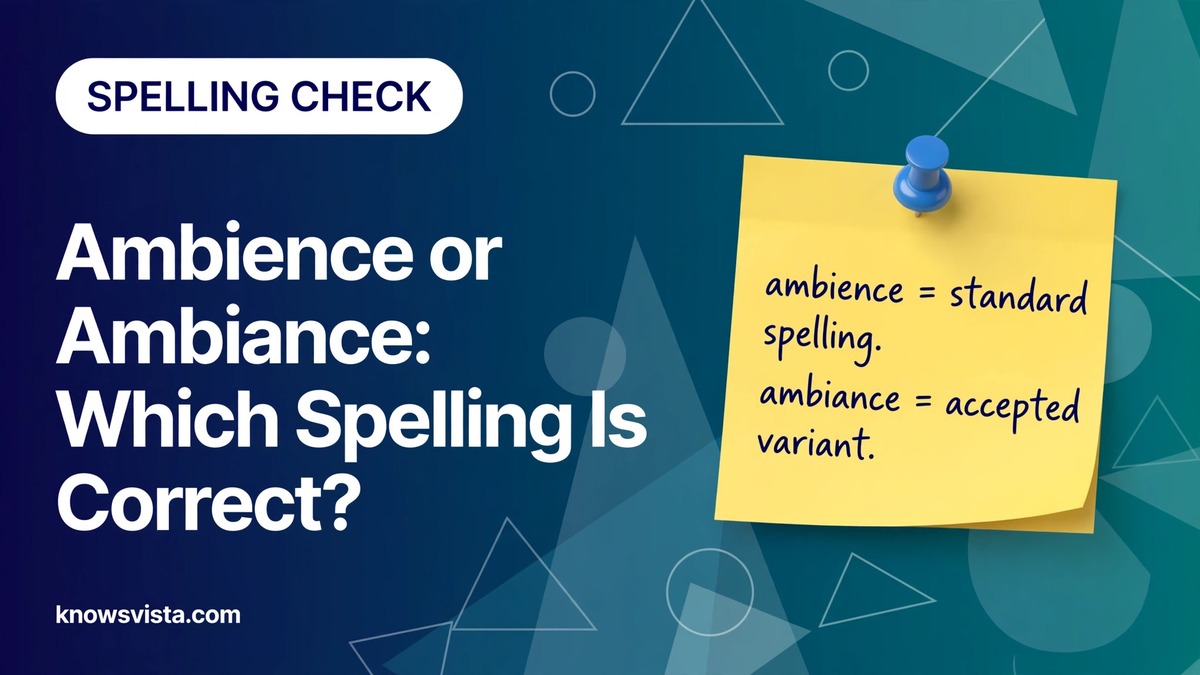
  • Therefor or Therefore? Which Spelling Is Correct?

    Therefor or Therefore? Which Spelling Is Correct?

    Therefor or Therefore? Which Spelling Is Correct?

    The therefor or therefore question is really a two-part puzzle: which spelling do you need, and which meaning do you want? These are two different words that look almost identical. One is one of the most common words in English; the other is a rare legal fossil. This guide gives you the exact difference, the pronunciation trick that separates them, and example sentences for both. For another pair separated by a single letter, see our loose vs lose guide.

    โšก Quick answer

    Therefore (with the e before the r) is the everyday word, it means “for that reason” or “as a result.” Therefor (no e) is a real but rare word meaning “for that” or “in return for that,” used almost only in legal and formal writing. If you are not writing a contract, you almost certainly mean therefore.

    ๐Ÿง  Memory trick: Therefore contains fore, think before: a reason comes before its result. And say it out loud: therefor stresses the second syllable (thair-FOR), a clipped legal sound; therefore is the friendly everyday word.

    The everyday word: therefore

    Use therefore whenever you want to show that one thing follows from another. It is a conjunctive adverb meaning “for that reason,” “because of that,” or “as a result.” It works at the start of a sentence (“Therefore, we left early”) or in the middle (“We left early; therefore, we arrived on time”). It is the form you need in school essays, emails, and everyday writing.

    It was raining; therefore, we stayed inside.

    She studied hard, and therefore she passed the exam.

    The shop was closed; therefore, we went home.

    He missed the bus, and therefore he was late.

    The report was finished early; therefore, we relaxed.

    Therefore, the experiment supports our theory.

    Costs rose sharply; therefore, prices followed.

    She is the team captain and therefore makes the calls.

    The rare legal word: therefor

    The spelling therefor is not a typo, it is a separate adverb meaning “for that” or “in return for that,” used in legal and formal writing. It never connects clauses the way therefore does. You will meet it in contracts, court papers, and old formal documents, almost never in conversation, emails, or essays. Dictionaries still list it, with a first known use in the 1100s.

    โœ— Wrong: “I was tired, therefor I slept.” (means “for that reason”, wrong word)
    โœ“ Right: “I was tired, therefore I slept.”
    โœ— Wrong: “He got a refund therefore.” (means “in return for that”, wrong word)
    โœ“ Right: “He got a refund therefor.”

    โœ— Wrong: The price fell, therefor sales rose.

    โœ“ Right: The price fell, therefore sales rose.

    The tricky exceptions

    Pronunciation is the giveaway

    Say the two words out loud and they stop sounding alike. Therefore stresses the first part: THAIR-for. Therefor stresses the end: thair-FOR, rhyming with “before.” That final stress is the sound of legal English, which loves words like hereby, thereof, and wherefore.

    The package was returned, and payment therefor was issued.

    The terms were agreed upon and consideration given therefor.

    Therefor never joins two clauses

    A second test: therefore links an idea to its result, while therefor just sits inside one clause pointing back at something. If you can swap in “as a result,” you need therefore. If you can swap in “for that thing,” you need therefor, and you are probably reading a contract. You can check the dictionary proof yourself at Merriam-Webster’s entry for therefor, defined as “for or in return for that.”

    She returned the goods and enclosed payment therefor.

    We missed our flight; therefore, we booked another.

    Therefor vs therefore at a glance

    ThereforeTherefor
    Correct?Yes, the everyday wordYes, a rare legal word
    MeaningFor that reason; as a resultFor that; in return for that
    Job in a sentenceConnects a reason to its resultPoints back at a thing, inside one clause
    PronunciationTHAIR-forthair-FOR
    ExampleIt rained; therefore, we stayed in.He got a refund therefor.
    TrickFore = before: a reason comes before its resultLegal fossil, stress the final syllable

    Quick practice

    Fill in the blank with the correct spelling:

    1. The road was icy; __________, the game was canceled.
    2. She returned the jacket and received a refund __________.
    3. He saved money all year; __________, he could travel.
    4. The word __________ stresses its final syllable and belongs in legal writing.

    Answer key:

    • 1. therefore (shows a result: the game was canceled as a consequence)
    • 2. therefor (means “in return for that”, a refund for the jacket)
    • 3. therefore (“as a result” fits, money saved, travel possible)
    • 4. therefor (thair-FOR with final stress is the legal form)

    Frequently Asked Questions

    Is it “therefor” or “therefore”?

    For everyday writing, always “therefore”, it means “for that reason.” “Therefor” is a separate, rare word meaning “for that,” used almost only in legal writing.

    Is “therefor” just a typo of “therefore”?

    Almost always, yes. In normal writing, therefor is a dropped-e typo. It is only correct as a word of its own when it means “for that,” as in contracts and legal documents.

    How do you pronounce “therefor”?

    Say thair-FOR, with the stress on the final syllable. This sets it apart from therefore, stressed as THAIR-for.

    Can “therefor” be used in an essay?

    No. Unless your essay is about contract law, use therefore. Teachers and spellcheckers will read therefor as a mistake. Tiny spelling differences carry big meaning changes, the same trap as farther vs further.

    What is “therefor” short for?

    Nothing, it is a word of its own, not a shortened form. It belongs to a family of old legal adverbs like thereof (of that), therein (in that), and thereby (by that).

    Does “therefore” need a comma?

    When it starts a sentence, yes: “Therefore, we agreed.” In the middle of a sentence, it is often set off by a comma or semicolon: “We agreed; therefore, we signed.” Follow your sentence’s rhythm.

    Final thoughts

    The therefor or therefore question is really about meaning: therefore gives a reason’s result, and therefor gives a thing its payment. Outside legal writing, therefore is always the word you want. Master this pair and the next look-alike is easy, compare it with our loose vs lose guide, or test yourself on the spelling quiz and the free grammar checker.
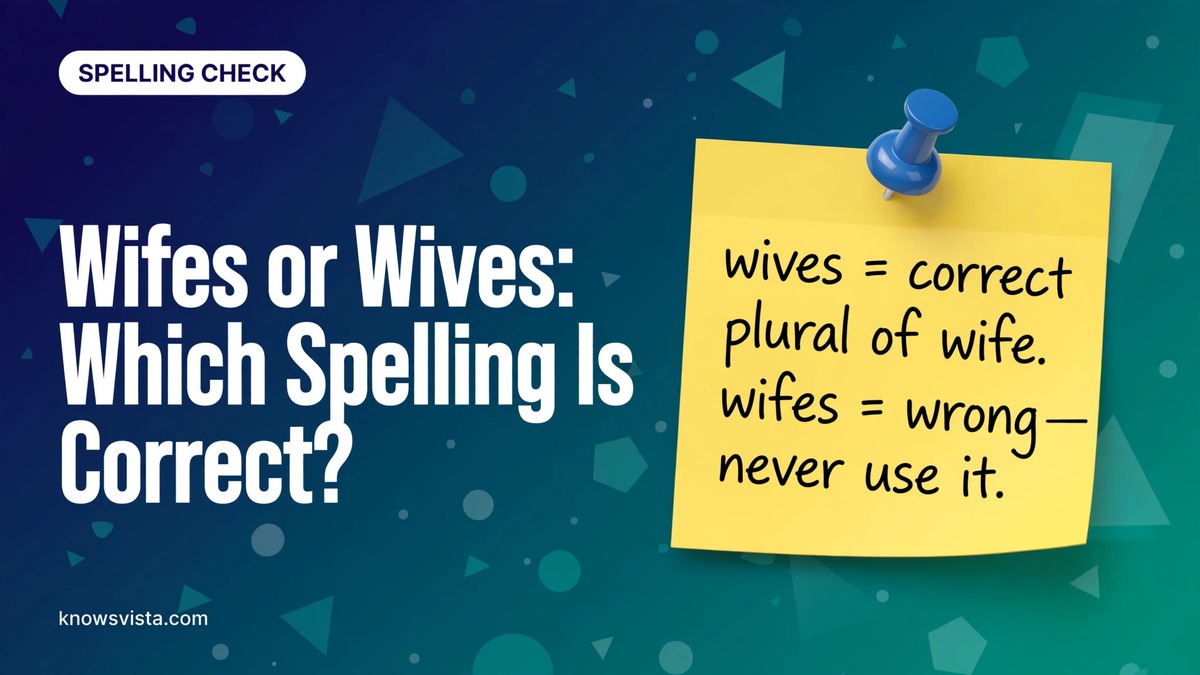
  • Ambience or Ambiance: Which Spelling Is Correct?

    Ambience or Ambiance: Which Spelling Is Correct?

    Ambience or Ambiance: Which Spelling Is Correct?

    The ambience or ambiance question pops up every time someone reviews a restaurant or describes a hotel. Both spellings are real words, and neither one is a typo. But dictionaries do not treat them equally: one is the standard headword, and the other is a listed variant. This guide shows you which is which, how each is pronounced, and when the variant spelling fits better. For another pair where both forms are accepted, see our photo shoot vs photoshoot guide.

    โšก Quick answer

    Ambience (with an e) is the standard spelling, it is the headword every major dictionary lists. Ambiance (with an a) is an accepted variant of the same word. Both mean the same thing: the mood or atmosphere of a place.

    ๐Ÿง  Memory trick: Ambience ends in -ence like sentence and science, a comfortable, everyday English ending. Ambiance keeps its French -ance, like a souvenir from Paris. If in doubt, write the English one.

    The standard spelling: ambience

    Use ambience whenever you need the noun meaning the feeling or mood of a place, person, or thing. It works as a singular noun (“The ambience was perfect”) and forms the plural ambiences (“The two restaurants had different ambiences”). It is the form editors, style guides, and most publications prefer on both sides of the Atlantic.

    The ambience of the little cafe made us stay for hours.

    Soft lighting gives the restaurant a romantic ambience.

    We loved the cozy ambience of the mountain lodge.

    The hotel lobby has a quiet, elegant ambience.

    A good bookstore has an ambience you can feel.

    The wedding venue’s ambience was warm and festive.

    They chose the bar for its lively ambience.

    No photo could capture the ambience of that evening.

    Why “ambiance” is not wrong either

    The spelling ambiance comes straight from the French word ambiance, meaning “surroundings.” Dictionaries list it as a genuine variant, not a misspelling. Writers sometimes choose it for a fancy or European flavor, especially in restaurant, hotel, and design writing. But because it is the second-choice form, a plain-English reader may briefly think it is a typo.

    โœ— Avoid: “The ambians of the hall was nice.” (misspelled, the ending is -ance or -ence, never -ans)
    โœ“ Right: “The ambiance of the hall was nice.”
    โœ“ Standard: “The ambience of the hall was nice.”

    โœ“ Right: The new bistro advertises its French ambiance.

    โœ“ Standard: The new bistro advertises its French ambience.

    The tricky exceptions

    The French spelling has a French pronunciation

    The two spellings invite two pronunciations. Ambience is usually said AM-bee-uhns, while ambiance can keep a French-style ahm-bee-AHNSS (saying the final a). In everyday speech most English speakers say both the same way, so the choice between them is a writing decision, not a speaking one.

    She described the gallery’s ambience in three words.

    He praised the restaurant’s ambiance in his review.

    Ambiance is never the safer pick

    There is no test, style guide, or exam where ambiance beats ambience. If you are writing for school, work, or the web, use ambience every time. Reserve ambiance for deliberate stylistic effect, a French restaurant’s menu, a Paris-themed party flyer. Check the dictionary entry yourself at Merriam-Webster’s ambience page, where ambience sits as the headword.

    The spa brochure promised a calming ambience.

    For the exam essay, she wrote “ambience,” not “ambiance.”

    Ambience vs ambiance at a glance

    AmbienceAmbiance
    Correct?Yes, the standard spellingYes, an accepted variant
    Dictionary statusHeadword entryListed as a variant
    Origin flavorAnglicized EnglishOriginal French
    Common pronunciationAM-bee-uhnsahm-bee-AHNSS (or the same as ambience)
    ExampleThe room’s ambience was cozy.The room’s ambiance was cozy.
    TrickEnds in -ence like science, the safe defaultKeep it for deliberate French style only

    Quick practice

    Fill in the blank with the better spelling:

    1. The restaurant’s soft __________ made dinner special.
    2. For a school essay, the safest spelling is __________.
    3. A Paris-themed menu might use the French __________ spelling.
    4. __________ ends in -ence and is the dictionary headword.

    Answer key:

    • 1. ambience (the standard spelling is the default choice)
    • 2. ambience (exams and style guides prefer the headword form)
    • 3. ambiance (the French variant suits a deliberate French style)
    • 4. Ambience (the -ence ending marks the standard form)

    Frequently Asked Questions

    Is it “ambience” or “ambiance”?

    Both are correct. Ambience is the standard, dictionary-preferred spelling; ambiance is the French-derived variant. When in doubt, write ambience.

    Why are there two spellings?

    The word came into English from the French ambiance in the 1800s. English speakers later reshaped it to ambience with the familiar -ence ending, and that version became the standard. Writers sometimes keep the French spelling for style.

    How do you pronounce “ambience”?

    Say AM-bee-uhns. The variant ambiance is sometimes given a French flavor as ahm-bee-AHNSS, but most speakers pronounce both the same way.

    Is “ambiance” a typo of “ambience”?

    No. Major dictionaries list ambiance as a real variant spelling. A true typo would look like ambians or ambienc, forms no dictionary accepts. Pairs with two accepted forms are rare; most spelling traps like full-time vs full time hinge on the hyphen, not the letters.

    What is the plural of “ambience”?

    The plural is ambiences (“The two bars had very different ambiences”). The variant plural is ambiances, but the standard plural is far more common.

    Is there a US vs UK difference?

    No meaningful one. Both American and British dictionaries list ambience as the headword and ambiance as the variant, and both regions use ambience more often.

    Final thoughts

    The ambience or ambiance question is really a question about levels of correctness: ambience is the standard spelling, and ambiance is a stylish variant. Default to ambience everywhere, and keep ambiance for deliberate French flavor. Master this pair and the next “both are right” puzzle gets easier, try our full-time vs full time guide, or test yourself on the spelling quiz and the free grammar checker.

  • Wifes or Wives: Which Spelling Is Correct?

    Wifes or Wives: Which Spelling Is Correct?

    Wifes or Wives: Which Spelling Is Correct?

    The wifes or wives question trips up writers who know the basic plural rule, just add s, and stop there. English has other plans for words ending in f. One spelling is correct, the other is a misspelling that spellcheckers flag every time. The fix takes less than a minute: one simple consonant swap. This guide gives you the rule, a memory trick, 14 example sentences, and the words that break the pattern. For another common spelling trap, see our loose vs lose guide.

    โšก Quick answer

    Wives is the correct plural of wife. Wifes is a misspelling, it is not a word in any dictionary. Nouns ending in -fe change the f to v and add -es.

    ๐Ÿง  Memory trick: Think “life, knife, wife, all take a v”. If the singular ends in -fe, swap the f for a v before adding -es: wife โ†’ wives, just like knife โ†’ knives and life โ†’ lives.

    When to use “wives”

    Use wives whenever you mean more than one wife. The singular noun wife (one married woman) becomes wives in the plural, pronounced “wahyvz.” Pair it with plural verbs, wives are, not wives is.

    The two wives became close friends.

    Both husbands and wives attended the dinner.

    The soldiers waved goodbye to their wives.

    All three wives are doctors.

    The wives planned a surprise trip together.

    Many famous writers’ wives worked as their editors.

    The wives shared stories over coffee.

    Two of the wives started a small business.

    Why “wifes” is wrong

    The spelling wifes is a common misspelling caused by applying the regular add-s rule to an irregular noun. No dictionary lists it. If you see a red underline under it, the fix is always the same: change wifes to wives.

    โœ— Wrong: “The wifes met for lunch.” (misspelling of the plural)
    โœ“ Right: “The wives met for lunch.”
    โœ— Wrong: “Both wifes are teachers.” (misspelling of the plural)
    โœ“ Right: “Both wives are teachers.”

    โœ— Wrong: His wifes both work in finance.

    โœ“ Right: His wives both work in finance.

    Spot the pattern: the same swap works for a small family of words. Writers who learn this rule also stop mixing up other lookalikes, our farther vs further guide covers another classic pair.

    The tricky exceptions

    Words that follow the same f-to-v rule

    The -fe to -ves swap is shared by a handful of common nouns. Learn them as a set: wife โ†’ wives, life โ†’ lives, knife โ†’ knives, leaf โ†’ leaves, half โ†’ halves, wolf โ†’ wolves, thief โ†’ thieves, and loaf โ†’ loaves. Cambridge’s grammar guide lists wife, thief, and loaf as textbook examples of this rule.

    She packed three knives for the camping trip.

    The wolves howled at the edge of the forest.

    The -f words that break the rule

    Not every word ending in f changes to v, and this is where the real trap lies. Roof becomes roofs, chief becomes chiefs, belief becomes beliefs, and cliff becomes cliffs. These words simply add s. When in doubt, check a dictionary, for the full authority, see Cambridge Dictionary’s noun plural rules.

    The roofs of the old houses were covered in snow.

    โœ— Wrong: The rooves of the old houses were covered in snow.

    Wives vs wifes at a glance

    WivesWifes
    Correct?Yes, the only correct pluralNo, a common misspelling
    Part of speechPlural nounNot a word
    RuleNouns ending in -fe: change f to v, add -esWrongly applies the regular add-s rule
    Pronounced“wahyvz,” rhymes with lives,
    TrickLife, knife, wife, all take a vIf it ends in -fes, it is wrong

    Quick practice

    Fill in the blank with the correct spelling:

    1. The two __________ opened a bakery together.
    2. All of my friends’ __________ are doctors.
    3. She sharpened the __________ before dinner. (plural of knife)
    4. The __________ of the cabin needed repairs. (plural of roof)

    Answer key:

    • 1. wives (the plural of wife changes f to v)
    • 2. wives (plural possessive needs the plural form first)
    • 3. knives (same -fe to -ves rule)
    • 4. roofs (an exception, this one just adds s)

    Frequently Asked Questions

    What is the plural of “wife”?

    The plural of wife is wives. Change the f to v and add -es. The spelling wifes is always a misspelling.

    Why does “wife” become “wives” instead of “wifes”?

    English has a small group of nouns ending in -f or -fe that change the f to v in the plural: wife โ†’ wives, knife โ†’ knives, life โ†’ lives, leaf โ†’ leaves. The change keeps the voiced v sound consistent with how the word is spoken.

    Is “wifes” ever correct?

    No. Wifes is never correct in standard English, no dictionary lists it. It is one of the most common spelling errors in student essays and social media posts. Always write wives.

    Which -f words do NOT change to -ves?

    Several common words simply add s: roof โ†’ roofs, chief โ†’ chiefs, belief โ†’ beliefs, cliff โ†’ cliffs, and safe โ†’ safes. There is no shortcut here, memorizing the short -ves list (wife, life, knife, leaf, half, wolf, thief, loaf) is the reliable approach.

    How do you pronounce “wives”?

    Wives is pronounced “wahyvz” (/waษชvz/), it rhymes with lives and knives. The singular wife ends in a soft f sound (“wahyf”), while the plural switches to a buzzing v sound. There is no US vs UK difference in spelling or pronunciation.

    What is the difference between “wives”, “wife’s”, and “wives’”?

    Wives is the plural (more than one wife). Wife’s is the singular possessive (belonging to one wife: “my wife’s car”). Wives’ is the plural possessive (belonging to several wives: “the wives’ club”). The apostrophe always marks possession, never use it to form the plural.

    Final thoughts

    The wifes or wives question has exactly one right answer: wives. Lock in the pattern, life, knife, wife, all take a v, and you will also nail lives, knives, leaves, and wolves. Master this pair and the next spelling trap falls just as fast, compare it with our Chris’s or Chris’ guide, or test yourself on the spelling quiz and the free grammar checker.

  • Photoshoot or Photo Shoot: Which Spelling Is Correct?

    Photoshoot or Photo Shoot: Which Spelling Is Correct?

    Photoshoot or Photo Shoot: Which Spelling Is Correct?

    The photoshoot or photo shoot question confuses even professional photographers. You will see the one-word form on Instagram, the two-word form in newspapers, and a hyphenated version in between. The good news: this is not a right-vs-wrong trap. Both main spellings are correct, the choice depends on where you are writing. This guide gives you the dictionary answer, a memory trick, 14 example sentences, and the one form to avoid. For another tricky pair, see our full-time or full time guide.

    โšก Quick answer

    Photo shoot (two words) is the classic dictionary spelling and the safest choice in formal writing. Photoshoot (one word) is also correct and widely used, especially online and in casual contexts. Never write photo-shoot as a noun.

    ๐Ÿง  Memory trick: Think two words, two jobs, photo (what it is) plus shoot (what happens). When in doubt, split it: the two-word form is never wrong.

    When to use “photo shoot”

    Use photo shoot as two separate words in formal writing, news articles, magazines, business websites, and school essays. Merriam-Webster lists it as its headword entry, defined as a photography session where a professional photographer takes photographs for commercial use. When style matters, the two-word form always looks polished.

    The magazine planned a photo shoot at the beach.

    She booked a photo shoot for her wedding portraits.

    The article described the chaos behind the fashion photo shoot.

    They arrived early for the product photo shoot.

    Her first professional photo shoot lasted six hours.

    All models must sign a release before the photo shoot.

    When “photoshoot” is acceptable

    Use photoshoot as one word in casual, digital, and creative contexts, social media captions, hashtags, blog headlines, and photography branding. It means exactly the same thing, and major dictionaries now recognize the closed compound. Just stay consistent: pick one spelling per document and stick with it.

    Behind the scenes of today’s photoshoot!

    He runs a small photoshoot studio downtown.

    Their engagement photoshoot took place at sunset.

    Tag your best photoshoot moments with #studio.

    The baby’s first photoshoot was adorable.

    We scheduled the photoshoot for Saturday morning.

    Spot the mistakes below. Writers who hesitate over spellings like this often mix up other close pairs too, our breathe vs breath guide covers another one.

    โœ— Wrong: “She booked a photo-shoot yesterday.” (the noun is never hyphenated)
    โœ“ Right: “She booked a photo shoot yesterday.”
    โœ— Wrong: “The photo shot was really fun.” (a shot is one picture, not the session)
    โœ“ Right: “The photo shoot was really fun.”

    โœ— Wrong: He missed the photo-shoot on Monday.

    โœ“ Right: He missed the photo shoot on Monday.

    The tricky exceptions

    Plurals and pronunciation

    Both forms pluralize simply by adding s: photo shoots and photoshoots. Pronunciation never changes, say “FOH-toh shoot” either way. There is no US vs UK difference here; both regions accept both spellings. For the full authority check, see Merriam-Webster’s entry for photo shoot.

    The agency runs three photo shoots every week.

    Her portfolio includes dozens of photoshoots.

    The hyphen appears only as a compound adjective

    The hyphenated form photo-shoot is not the standard noun spelling, but hyphens can appear when the phrase works as an adjective before a noun. In “a photo-shoot location,” the hyphen links the two words into one modifier. This is the same pattern as full-time job, see our full-time or full time guide for how compound forms shift by role. As a standalone noun, never use the hyphen.

    The photo-shoot location was a rooftop garden.

    โœ— Wrong as a noun: The photo-shoot starts at noon.

    Photo shoot vs photoshoot at a glance

    Photo shootPhotoshoot
    SpellingTwo words (open compound)One word (closed compound)
    Correct?Yes, dictionary-preferred, always safeYes, accepted, especially informal
    Best forNews, essays, business writingSocial media, captions, branding
    PluralPhoto shootsPhotoshoots
    TrickTwo words, two jobs: photo + shootOne word feels faster, like a hashtag

    Quick practice

    Choose the best spelling for each sentence:

    1. The newspaper covered the fashion __________ last week. (formal article)
    2. Behind the scenes of my first __________! (Instagram caption)
    3. Which spelling should you never use for the noun: photo-shoot, photo shoot, or photoshoot?
    4. The studio booked three __________ this month. (give both plurals)

    Answer key:

    • 1. photo shoot (two words for formal writing)
    • 2. photoshoot (one word is natural for social media)
    • 3. photo-shoot (never hyphenate the standalone noun)
    • 4. photo shoots / photoshoots (both plurals are fine)

    Frequently Asked Questions

    Is it “photoshoot” or “photo shoot”?

    Both are correct. “Photo shoot” (two words) is the traditional dictionary spelling and the safest choice. “Photoshoot” (one word) is an accepted variant, especially in casual and digital writing. Pick one per document and stay consistent.

    Is “photoshoot” in the dictionary?

    Yes. Merriam-Webster lists photoshoot as its own headword with the same meaning as photo shoot: a photography session, especially a professional one. That said, the two-word entry remains the more established spelling.

    Is “photo-shoot” with a hyphen correct?

    Not as a standalone noun, write photo shoot or photoshoot. The hyphen only belongs in compound adjectives before a noun, as in “a photo-shoot location,” following the same hyphenation habit as full-time job.

    What is the plural of “photo shoot”?

    Add s to the last word: photo shoots or photoshoots, matching whichever spelling you chose. Both plurals are standard and pronounced the same way.

    Is there a US vs UK difference?

    No. American and British English both accept photo shoot and photoshoot. The one-word form is slightly more common in informal online writing on both sides of the Atlantic.

    What happens at a photo shoot?

    A photo shoot is a planned session where a photographer takes a series of photographs of a person, product, or scene, for magazines, advertising, weddings, or portfolios. The session is the shoot; each individual picture is a shot.

    Final thoughts

    The photoshoot or photo shoot question is really about register, not right and wrong. Write photo shoot as two words when the writing is formal, and use photoshoot when the tone is casual, just never hyphenate the noun itself. Master this pair and the next compound-word trap falls just as fast, compare it with our farther vs further guide, or test yourself on the spelling quiz and the free grammar checker.
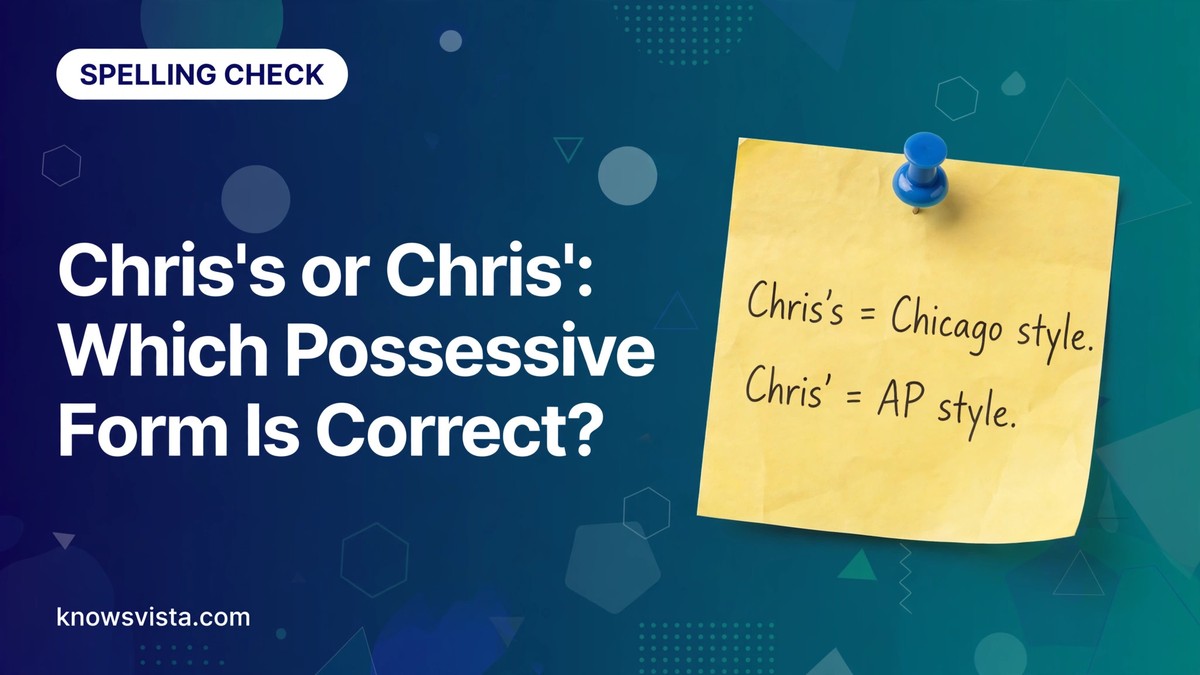
  • Putting or Puting: Which Spelling Is Correct?

    Putting or Puting: Which Spelling Is Correct?

    Putting or Puting: Which Spelling Is Correct?

    The putting or puting question looks tiny, but it shows up constantly in emails, captions, and schoolwork. One of the two spellings is correct, and the other never appears in any dictionary. The fix takes less than a minute: it all comes down to one simple doubling rule. This guide gives you the rule, a memory trick, 13 example sentences, and the mistakes to avoid. For another classic mix-up, see our loose vs lose guide.

    โšก Quick answer

    Putting (with a double t) is the correct spelling, it is the present participle of the verb put. Puting (with one t) is a misspelling and does not appear in any dictionary.

    ๐Ÿง  Memory trick: The verb put is short and punchy, so its final letter refuses to stand alone before -ing. Give the lonely t a twin, put-t-ing, and you will always spell it right.

    The correct spelling: putting

    Use putting whenever you need the -ing form of the verb put, meaning to place or set something somewhere. It works as a verb (“She is putting the books away”) and as a gerund naming the action (“Putting things off never helps”). The past tense of put stays the same, put, so putting is the only -ing form you need.

    She is putting the groceries in the fridge.

    They are putting up a new fence this weekend.

    Putting your phone away helps you focus.

    He kept putting off the dentist appointment.

    We are putting the kids to bed at eight.

    The chef is putting the finishing touches on the dish.

    Putting the meeting first saved us hours later.

    She was putting on her coat when the phone rang.

    The company is putting safety before profit.

    Why “puting” is always wrong

    The spelling puting follows no English rule and appears in no dictionary. It happens when writers forget the doubling rule below. Spellcheckers flag it, and teachers mark it wrong every time.

    โœ— Wrong: “She is puting the keys away.” (missing the doubled t)
    โœ“ Right: “She is putting the keys away.”
    โœ— Wrong: “Stop puting it off.” (missing the doubled t)
    โœ“ Right: “Stop putting it off.”

    โœ— Wrong: They are puting the chairs in a circle.

    โœ“ Right: They are putting the chairs in a circle.

    The tricky exceptions

    The doubling rule and its limits

    The rule is simple: a one-syllable verb ending in one vowel plus one consonant doubles that consonant before -ing. So put becomes putting, just like cut becomes cutting and run becomes running. Longer verbs only double when the stress falls on the last syllable, begin gives beginning, but visit gives visiting with a single t. There is no US vs UK difference here; both regions spell it putting.

    He cut his finger while cutting vegetables.

    She is running late, so she is putting on her shoes.

    Don’t confuse “put” with “putt”

    The golf verb putt is a different word from put. Its past tense is putted (“He putted twice on the last hole”), while put never changes in the past tense (“I put it there yesterday”). For the full dictionary check, see Merriam-Webster’s entry for putting.

    He putted the ball gently toward the hole.

    She put the letter in the mailbox this morning.

    Putting vs puting at a glance

    PuttingPuting
    Correct?Yes, the only correct formNo, a common misspelling
    Part of speechPresent participle / gerund of putNot a word
    RuleOne-syllable CVC verb: double the final t before -ingBreaks the doubling rule
    ExampleShe is putting it away.She is puting it away. โœ—
    TrickGive the lonely t a twin: put-t-ingIf it has one t, it is wrong

    Quick practice

    Fill in the blank with the correct spelling:

    1. She is __________ the toys back in the box.
    2. __________ off your homework only makes it harder.
    3. They are __________ the final coat of paint today.
    4. He was __________ his jacket on when I called.

    Answer key:

    • 1. putting (the -ing form of put doubles the t)
    • 2. Putting (gerund at the start of the sentence)
    • 3. putting (present continuous needs the -ing form)
    • 4. putting (after was, the -ing form is required)

    Frequently Asked Questions

    Is it “puting” or “putting”?

    Always “putting” with a double t. The spelling puting is a misspelling that no dictionary recognizes. If your spellchecker underlines it, add the second t.

    Why does “put” become “putting” with two t’s?

    English doubles the final consonant of a one-syllable verb ending in one vowel plus one consonant before -ing. Put fits the pattern (p-u-t), so it becomes putting, exactly like cut becomes cutting and swim becomes swimming.

    Is “putting” a verb or a noun?

    Most often it is the present participle of the verb put (“They are putting it away”). It can also act as a gerund, a verb working as a noun (“Putting it off was a mistake”). Writers who mix up word forms like this often trip on breathe vs breath too.

    What is the past tense of “put”?

    The past tense of put is put, the verb never changes form. “I put it there yesterday” is correct. Do not confuse it with the golf verb putt, whose past tense is putted.

    Is there a US vs UK difference in spelling “putting”?

    No. Both American and British English spell it putting with a double t. Unlike pairs like traveling vs travelling, this word never splits by region.

    What does “putting green” mean in golf?

    A putting green is the smooth, closely cut area around the hole on a golf course. Here putting comes from the golf verb putt (to hit the ball gently), not from put, a handy reminder that the two verbs are separate words.

    Final thoughts

    The putting or puting question has exactly one right answer: putting, with its doubled t. Remember the pattern, short verb, single vowel, single consonant, double the letter before -ing, and you will also nail cutting, running, and swimming. Master this pair and the next spelling trap falls just as fast, compare it with our Chris’s or Chris’ guide, or test yourself on the spelling quiz and the free grammar checker.

  • Chris’s or Chris’: Which Possessive Form Is Correct?

    Chris’s or Chris’: Which Possessive Form Is Correct?

    Chris’s or Chris’: Which Possessive Form Is Correct?

    The Chris’s or Chris’ question sparks more office debates than almost any other spelling choice. Both forms look plausible, spellcheckers accept either, and teachers disagree, so which possessive form is correct? The honest answer: both are correct, but style guides split the vote. Chris’s is the most common and matches Chicago style and British English; Chris’ follows AP style. This guide shows you when to use each, the pronunciation trick, and the plural trap. For another pair that confuses writers, see breathe vs breath.

    โšก Quick answer

    Both are correct. Use Chris’s for Chicago, MLA, and British English (the most common choice). Use Chris’ for AP style, the standard in newsrooms. The key rule: pick one style and stay consistent.

    ๐Ÿง  Memory trick: Say the word out loud. Most people say it as two syllables, “Chris-es.” Writing Chris’s matches exactly what you hear, letter for letter.

    When to use Chris’s

    Write Chris’s when you follow the Chicago Manual of Style, MLA, or British English, the standard in schools, books, and business writing. This form treats Chris like any other singular noun and simply adds ‘s, the way boss’s and James’s work.

    Chris’s birthday party starts at seven.

    That bike is Chris’s, not mine.

    Chris’s presentation impressed the judges.

    We stayed at Chris’s parents’ house all weekend.

    The teacher praised Chris’s essay in front of the class.

    James’s car broke down, just like Chris’s did last month.

    When to use Chris’

    Write Chris’ when you follow AP style, the house rule for journalists, news sites, and press releases. AP drops the extra s after the apostrophe for any singular noun that ends in s, including names like James, Tess, and Chris.

    The reporter quoted Chris’ statement on the new policy.

    Chris’ project won first prize at the science fair.

    Please return Chris’ notebook before Friday.

    The headline read “Chris’ team takes the championship.”

    Editors moved Tess’ desk next to James’ office.

    Watch out for the plural trap: โœ— “The Chrises’s house is big.” (never double up) โœ“ “The Chrises’ house is big.” (plural family name + apostrophe only). Possessive puzzles like this one sit next to other tricky pairs on our site, such as loose vs lose.

    The tricky exceptions

    Classical and biblical names keep just the apostrophe

    Traditional style writes ancient and biblical names with only an apostrophe: Jesus’, Moses’, Achilles’. This exception survives even in Chicago style, which otherwise loves Chris’s. It is a convention of respect and history, not pronunciation, and it does not extend to modern names.

    Jesus’ disciples gathered around him.

    Moses’ leadership shaped the nation.

    Plural names ending in “s” take only the apostrophe

    When Chris becomes plural, the Chrises, meaning the whole family, the possessive adds only an apostrophe: the Chrises’. This rule never changes, in every style guide. Confusing it with the singular is the one true error in this whole topic, so double-check whose name you are pluralizing. For the dictionary view, see Merriam-Webster’s dictionary.

    The Chrises’ reunion drew relatives from five states.

    The bosses’ meeting ran late, but the boss’s memo was short.

    Chris’s vs Chris’ at a glance

    Chris’sChris’
    StyleChicago, MLA, British EnglishAP (news and journalism)
    TrickSay “Chrises”, the extra s matchesAP trims the second s for speed

    Quick practice

    Choose the correct possessive for each style guide:

    1. (Chicago style) I borrowed __________ laptop for the trip.
    2. (AP style) The article quoted __________ remarks on the budget.
    3. (British English) Have you met __________ younger brother?
    4. (Any style) The __________ (whole family) car broke down on the highway.

    Answer key:

    • 1. Chris’s (Chicago adds ‘s to singular names)
    • 2. Chris’ (AP uses the apostrophe alone)
    • 3. Chris’s (British English prefers ‘s)
    • 4. Chrises’ (plural name + apostrophe only, both styles agree)

    Frequently Asked Questions

    Is “Chris’s” or “Chris’” more correct?

    Neither is more correct in general, Chris’s is the more common choice and the standard in Chicago style, MLA, and British English. Chris’ is equally correct in AP style. The only wrong move is mixing both forms in one document.

    How do you pronounce “Chris’s”?

    Say it as “Chrises”, two syllables, with the extra -es sound at the end, just like bosses or boxes. Most people say Chris’ exactly the same way, which is why the two spellings coexist so peacefully.

    What about the possessive for two people named Chris?

    Pluralize first, then add the apostrophe: the Chrises’ house. This is the one rule with no exceptions, plural nouns ending in s always take the apostrophe alone, in every style guide. The same goes for the Joneses’ or the Williamses’.

    Final thoughts

    The Chris’s or Chris’ debate ends with a style-guide check, not a coin flip. Writing for school, business, or a British audience? Go with Chris’s. Writing for a newsroom? Go with Chris’. Either way, keep it consistent and remember the plural exception, the Chrises’, that every guide agrees on. Compare it with another style-split pair in our farther vs further guide or our former vs latter guide, or run your writing through the free grammar checker and the spelling quiz.